
MARCH 2026 · Journal
Building a Brand That Resonates in East Africa
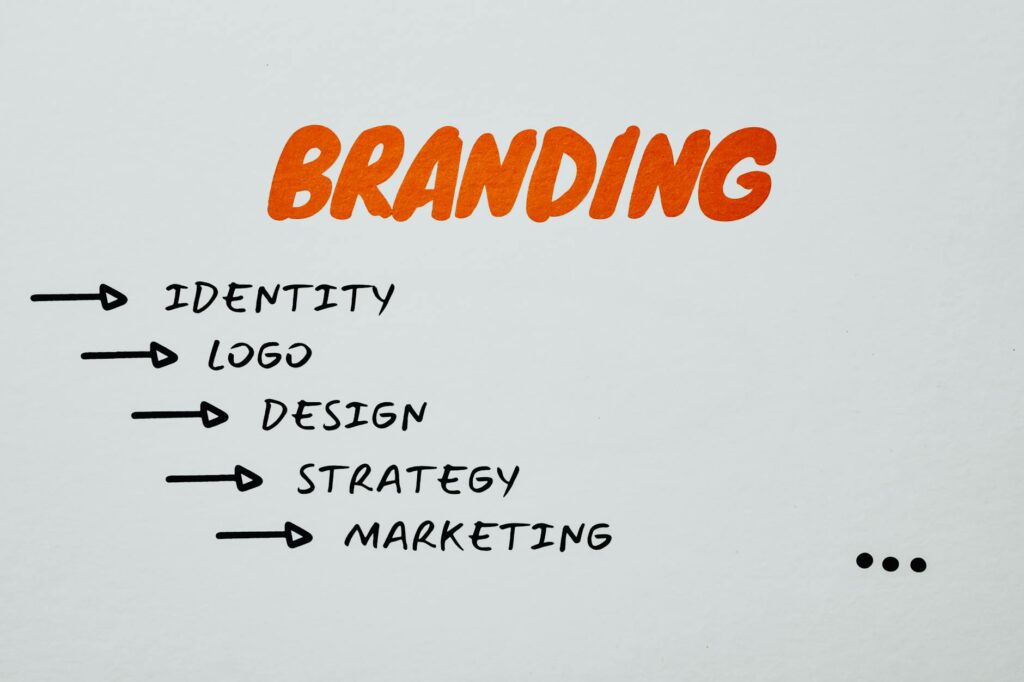
The Branding Mistake Most Kenyan Businesses Make
We have had this conversation hundreds of times since 2009. A business owner comes to us with a logo. Often made quickly, sometimes by a nephew with a laptop, sometimes by an online template service. And they want us to help them grow. When we ask about their brand, they point at the logo. That is the mistake.
A logo is a symbol. A brand is the complete set of associations, feelings, and expectations that your name triggers in someone’s mind. It is what your customer thinks of when they hear your name at a dinner party. It is the reason someone recommends you to their colleague without being asked. It is the thing that makes one bank feel dependable and another feel transactional, even when the interest rates are identical.
Confusing the symbol for the whole is not just a semantic error. It leads to real commercial consequences. Businesses that treat branding as logo-plus-colours underinvest in the things that actually build loyalty, and then wonder why customers do not return, why referrals are inconsistent, and why they are always competing on price.
Cultural Identity Is a Competitive Advantage
One of the most powerful. And most underused. Assets available to East African businesses is cultural specificity. International brands spend enormous sums trying to feel local. You already are local. The question is whether you are using that strategically.
Consider naming. Businesses that carry Swahili names or names rooted in local languages carry an inherent warmth that English-language alternatives cannot replicate. There is a reason certain businesses feel immediately like they belong here, and others feel imported. When the name, the language of your communications, and the visual references in your design all draw from the same authentic cultural well, the result is a brand that customers recognise as theirs.
This is not about tokenism. It is not about putting a Maasai motif on a tech product to signal local identity. It is about genuinely rooting the brand’s voice, visual language, and values in the real culture of the people you serve. That requires honesty about who you are as a business, and it requires the kind of sustained consistency that only comes from a deliberate brand strategy.
The visual language matters too. The colours, the photography style, the typography. All of these carry cultural weight. Skin tones in photography, the urban or rural settings used in imagery, the formality or informality of the font choices. Each one communicates something about who this brand is for. Get them right and customers see themselves in your marketing. Get them wrong and your brand feels like it is speaking to someone else.
Trust Signals That Work in Kenya
Trust is earned differently in East Africa than in markets where consumer protection infrastructure is more developed. In the absence of strong enforcement mechanisms, consumers rely on proxies. We have identified four that matter most in the Kenyan market.
First, recognisable clients. Being able to name institutions, companies, or public figures that have used your service carries enormous weight. Logos of known clients on your website, case studies that reference real organisations. These signals work.
Second, physical presence. Even for primarily digital businesses, a verifiable physical address signals accountability. A Westlands address means something different to a prospect than a P.O. Box. Shared office spaces have made this more accessible. Use them, and make your address visible.
Third, community and faith connections. Kenya is a deeply relationship-oriented society. Being known in your church, your professional association, your alumni network. These social proofs travel fast and carry credibility that advertising cannot buy. Brand strategy should account for how the business shows up in community spaces.
Fourth, consistency over time. The single most powerful trust signal in any market is simply being reliably the same thing across every touchpoint, every time, over years. The businesses that have built the strongest brands in East Africa have all shared this quality.
Brands That Got It Right
We find it useful to study local examples because they demonstrate what is possible without the shortcut of global brand equity.
Equity Bank built one of the most successful brand repositioning stories on the continent with the campaign built around “You Can.” It spoke directly to the self-belief and aspiration of Kenyans who had been excluded from formal banking. The brand did not just offer a product. It took a position, and that position resonated because it was genuinely aligned with what the bank was actually doing differently.
Safaricom’s M-Pesa is perhaps the most studied example. The brand built around M-Pesa succeeded not just because the product was good, but because the communications always centred the human story. Sending money home, paying school fees, keeping a small business running. The technology was invisible. The life it enabled was always the story.
Kericho Gold took a commodity. Tea. And built a premium brand position through consistency of packaging, consistent quality messaging, and a visual identity that communicated craft and heritage. That consistency over decades is why it commands a premium at retail that its agricultural peers do not.
What This Means for Your Business
Brand strategy is not a luxury for businesses that have already arrived. It is the foundation that determines whether you arrive at all, and how long you stay when you do. The businesses that invest in genuine brand thinking early. Understanding who they are, who they serve, what they stand for, and how to express that consistently. Are the ones we see compound their growth year on year.
The work starts with honesty: who are you, really? What do you believe about your category that your competitors do not? What do your best customers say about you that you could not write yourself? Those answers are the raw material of a brand that resonates. We help clients find them, shape them, and build the identity systems that carry them into the market. It is the work we find most satisfying. Because when it is done right, it changes not just how a business looks, but how it grows.